The water cluster
Off-Grid Water: The Beginner's Field Guide
Clean water is the one thing you cannot live more than a few days without, so it is worth getting right. Off-grid water comes down to three jobs: finding a source, making it safe to drink, and storing a reserve for when the source fails. This hub breaks each piece down in plain English so you can build a setup that keeps water flowing whether you are in a cabin, a van, or a tent.
How to choose
How to think about an off-grid water setup
Separate making water from storing it
Filtering or purifying makes water safe to drink. Storage keeps a reserve for when the source runs dry. Most off-grid setups need both, and they are different jobs.
Know filter versus purifier
A filter removes bacteria and protozoa. A purifier also removes viruses. Which one you need depends on where the water comes from, so match the tool to the threat.
Plan the source, then the backup
Decide on your main supply first, whether that is a stream, a well, or stored gallons. Then add a backup method so a single failure never leaves you dry.
The building blocks
Explore every part of off-grid water
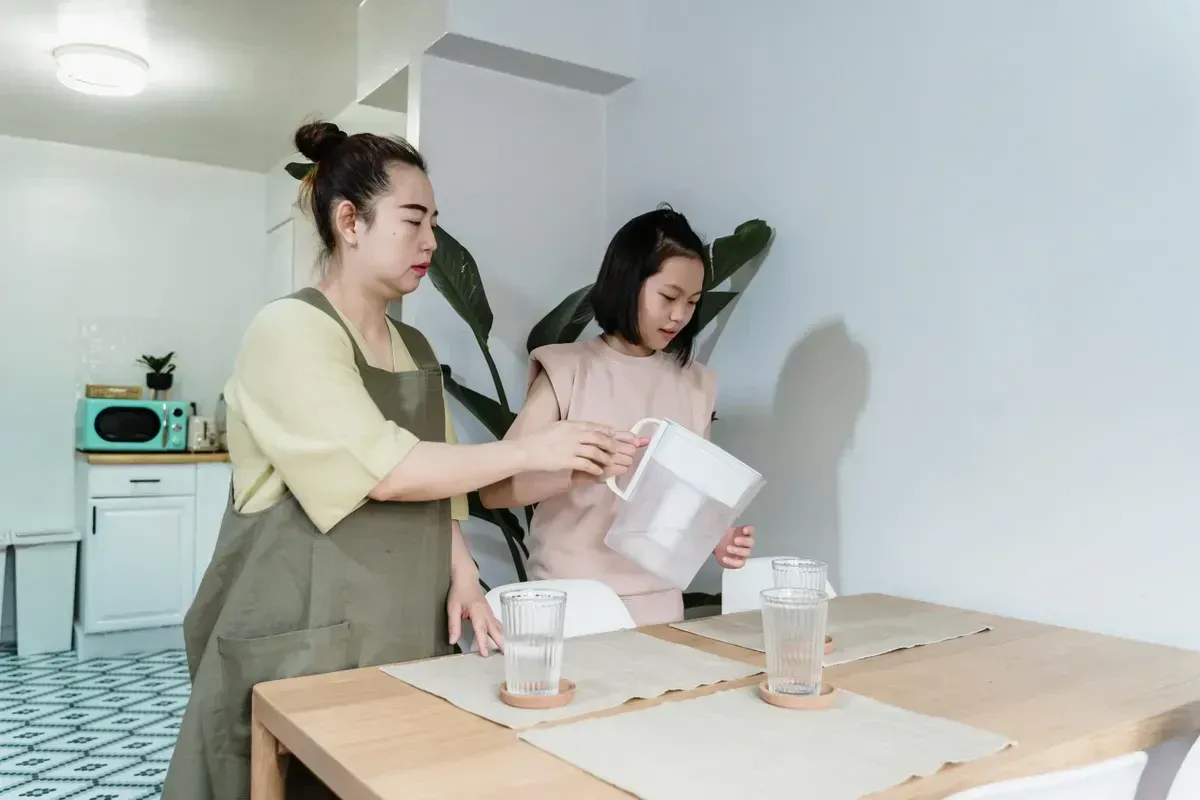
Gravity Water Filters
Countertop systems that clean water with nothing but gravity. The cabin and homestead workhorse.
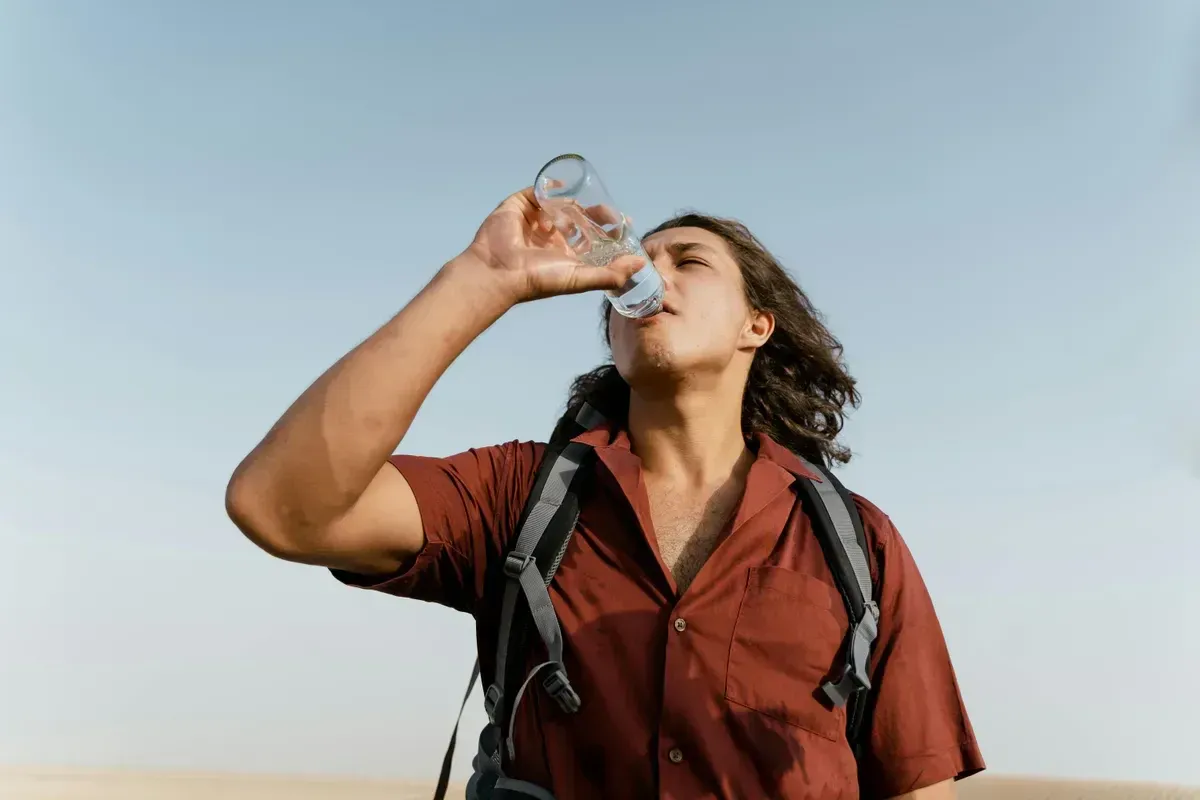
Portable & Survival Filters
Squeeze filters and purifiers light enough for a pack. Knowing which removes viruses matters.
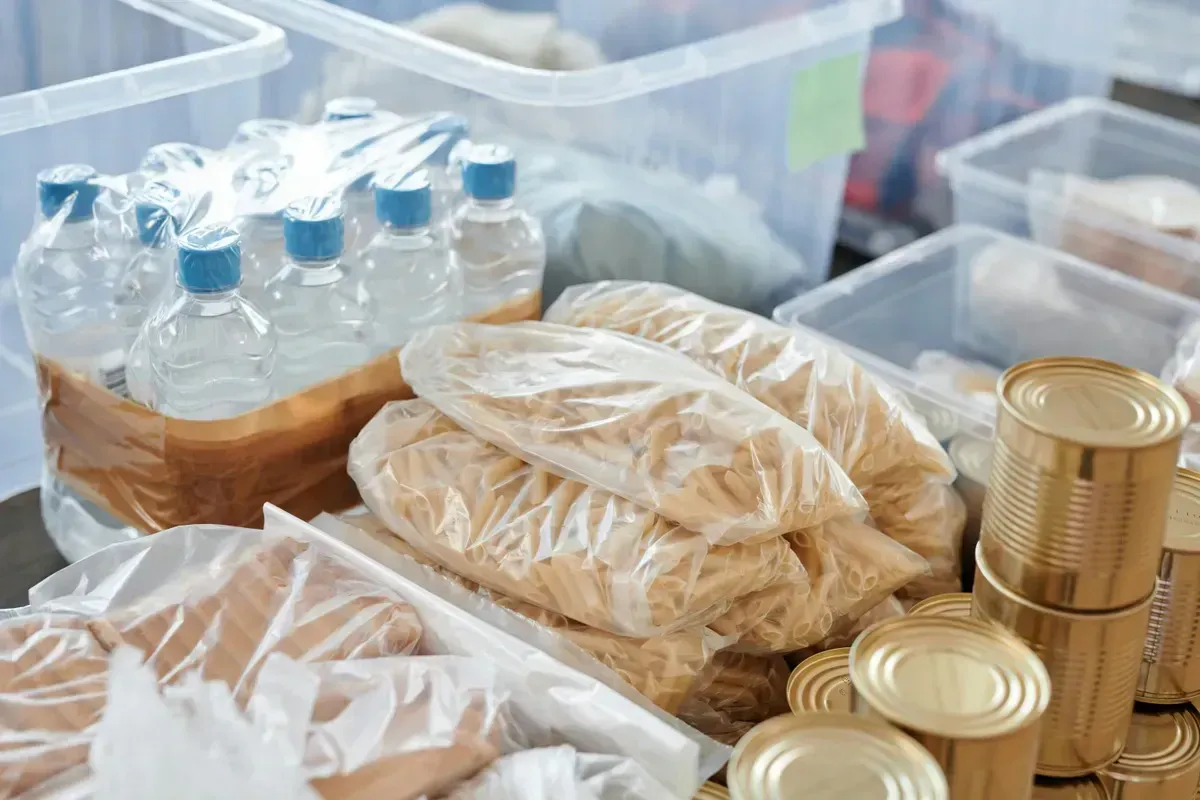
Emergency Water Storage
How much to store and what to store it in, from stackable bricks to a 55-gallon barrel.
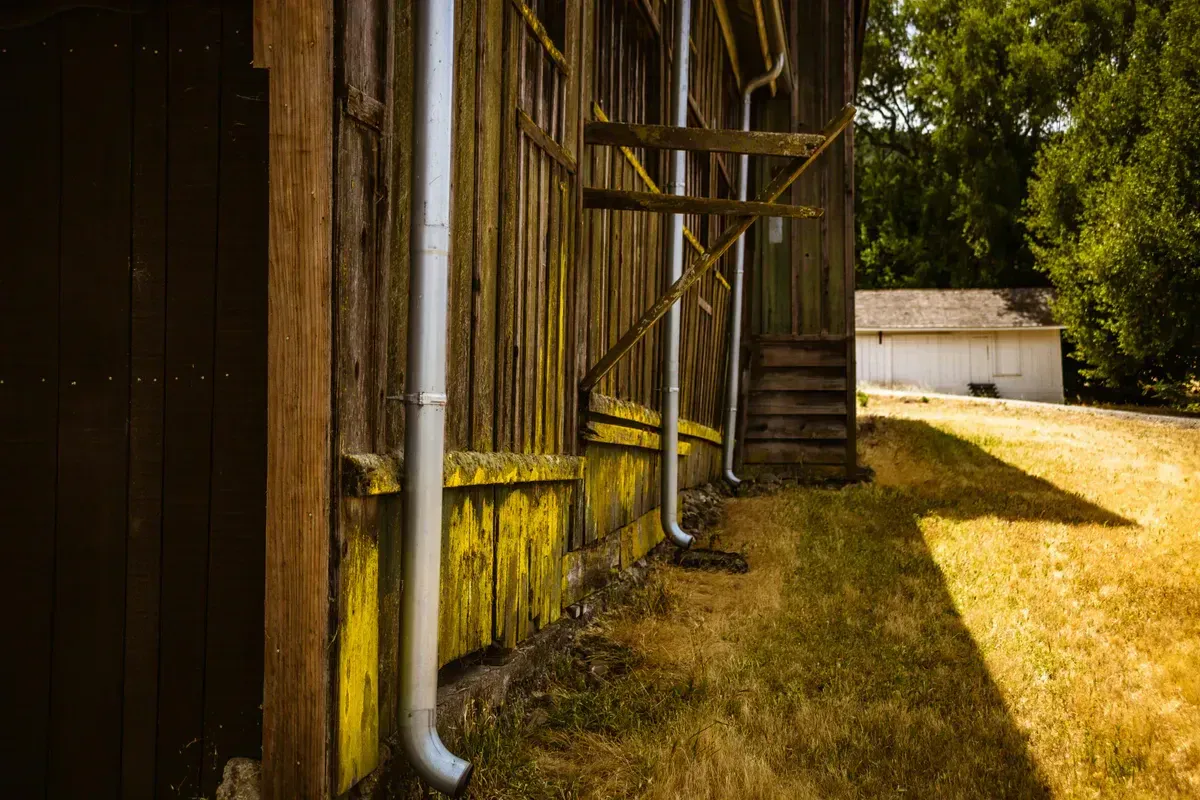
Rainwater Harvesting
Catch and store rain off your roof at a cabin, with honest guidance on what makes it safe to drink.
Put it together
Builds, tools, and more
Complete Builds
Copy-and-buy parts lists for vans, RVs, and cabins.
System Builder
Answer a few questions, get your exact parts list.
Power Hub
A 12V pump needs power. Start with the off-grid power guide.
Beginner Guides
Plain-English how-tos on water, power, and self-reliance.
Frequently Asked Questions
What do I actually need for off-grid water?
Three things working together: a source (a stream, well, or rain), a way to make it safe to drink (a filter or purifier), and a way to store a reserve for when the source is unavailable. A cabin might lean on rain harvesting and a gravity filter, while a backpacker just needs a squeeze filter. Start by deciding where your water comes from, then add treatment and storage to match.
Is a water filter the same as a purifier?
No, and the difference can matter a lot. A filter removes bacteria and protozoa like Giardia and Cryptosporidium, which are the real threats in North American backcountry. A purifier also removes or inactivates viruses, which you need overseas, after a disaster, or downstream of human waste. If you are unsure, a purifier covers more risk, but it costs more and works slower.
How much water should I store for an emergency?
FEMA and Ready.gov recommend at least one gallon per person per day, with a three-day minimum and a two-week supply preferred. About half is for drinking and half for cooking and hygiene. A family of four planning two weeks needs roughly 56 gallons, so plan your containers around that math rather than guessing.
Can I drink rainwater I collect off my roof?
Not automatically. The CDC warns that even clear rainwater can carry germs and chemicals, and roof material can shed lead or metals into the runoff. To drink it safely you need a clean roof, a first-flush diverter, sediment filtration, and disinfection. Until that whole chain is in place, use harvested rain for irrigation, washing, and flushing instead.